









Now Reading: Saudi Stock Market Falls: What Drove Tadawul’s 0.82% Drop
-
01
Saudi Stock Market Falls: What Drove Tadawul’s 0.82% Drop
Saudi Stock Market Falls: What Drove Tadawul’s 0.82% Drop
Advertisement

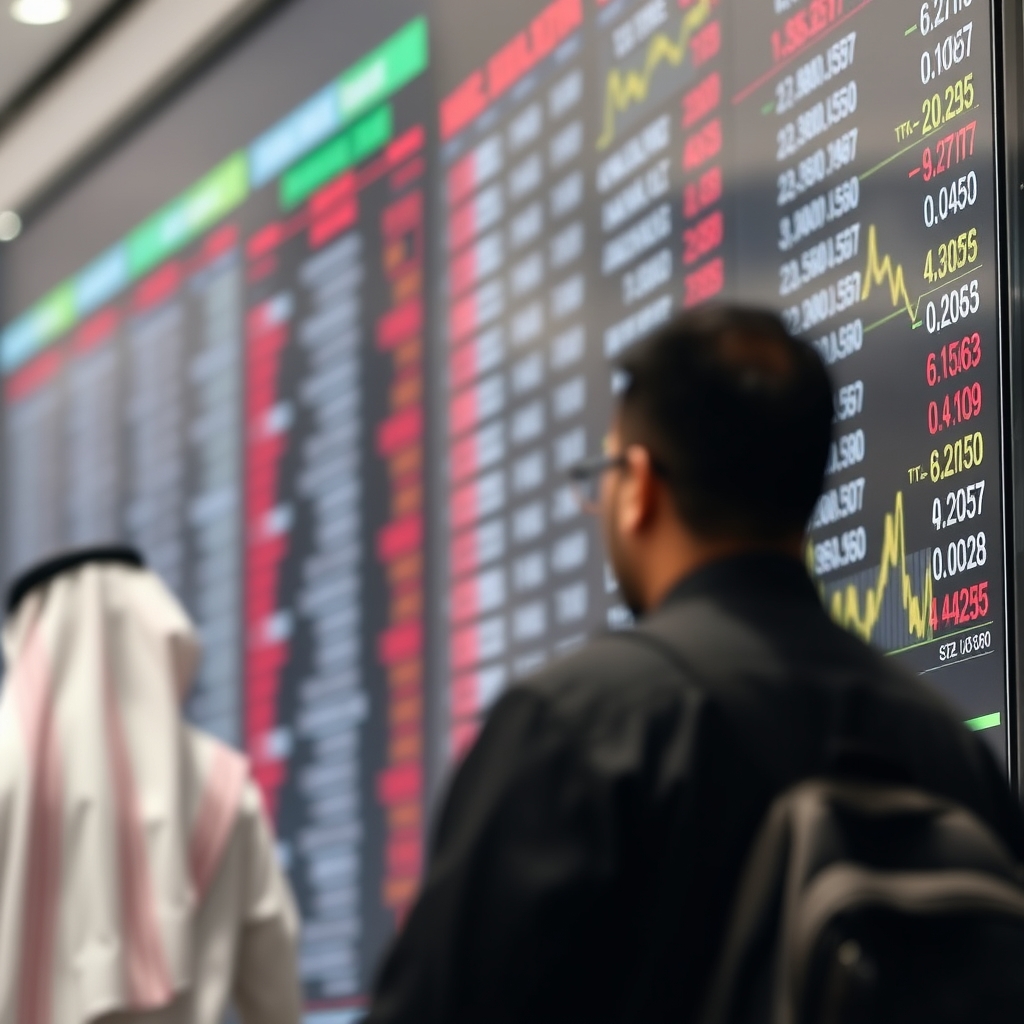
Saudi stock market Tadawul closed lower, shedding 0.82% in the latest session. Here's what Gulf investors need to know and why it matters.
Saudi Arabia’s Tadawul All Share Index closed the latest trading session down 0.82%, marking a broad retreat across the kingdom’s equity market. The decline reflects renewed caution among investors navigating regional economic pressures, with multiple sectors contributing to the day’s losses.
What Happened on the Tadawul Today?
The main Saudi index shed ground across the board, with selling pressure spread across key sectors rather than concentrated in a single area. That kind of broad-based decline typically signals a shift in market sentiment rather than a company-specific event.
No single catalyst has been publicly confirmed as the driver, but traders in the Gulf will recognise the pattern: when global risk appetite softens, emerging and frontier markets feel it first, and Gulf bourses are no exception.
Which Sectors Were Hit Hardest?
While granular sector breakdowns from the session are still being consolidated, indices across energy, financials, and materials tend to carry the most weight on the Tadawul and often drive headline moves. A pullback in any of those heavyweights can drag the broader index into negative territory even if smaller-cap names hold firm.
Quick Look: What a 0.82% Drop Means in Context
- Index direction: Negative close
- Decline magnitude: 0.82%
- Scope: Broad market, not isolated to one sector
- Investor mood: Cautious, with risk-off sentiment visible
Why It Matters for the Gulf
The Tadawul is the Arab world’s largest stock exchange by market capitalisation, so its moves carry weight well beyond Saudi borders. Investors in the UAE, Kuwait, Qatar, and Bahrain often read Tadawul sentiment as a regional barometer before placing their own trades.
For UAE-based retail investors and fund managers with cross-border exposure, a softer Tadawul session can prompt a reassessment of Gulf equity allocations, particularly in sectors that mirror Saudi Arabia’s economic profile, such as banking and petrochemicals.
The timing also matters. Gulf markets are navigating a period of recalibrated oil revenue expectations and ongoing monetary policy adjustments tied to the US Federal Reserve’s rate cycle. Both factors weigh on valuations across the GCC.
Should Gulf Investors Be Concerned?
A single-session decline of under 1% is not, on its own, a warning signal. Markets move in both directions, and the Tadawul has demonstrated resilience through previous bouts of regional and global volatility.
What analysts will watch more closely is whether the selling extends across multiple sessions or remains contained. A one-day dip followed by buying interest would reinforce the view that Saudi equities retain underlying demand. Sustained pressure, by contrast, would raise questions about near-term momentum.
For long-term investors, pullbacks of this size have historically offered entry points rather than exit signals, though every market environment carries its own risks.
What to Watch Next
Key indicators to monitor in the coming sessions include oil price movements, any updates from Saudi Aramco or major financial institutions listed on the exchange, and broader signals from global markets, particularly the US and China, both of which influence Gulf investor sentiment.
Corporate earnings announcements and any shifts in Saudi Vision 2030 project spending could also move individual stocks and drag the headline index in either direction.
For full details on the session’s performance, see the original report.
Are you adjusting your Gulf equity exposure after today’s Tadawul session, or holding steady for the long term? Share your view in the comments below.
Disclaimer: This article is for informational purposes only and does not constitute financial advice. Always consult a qualified financial advisor before making investment decisions.

Related Posts


Stay Informed With the Latest & Most Important News
Previous Post
Next Post




Advertisement

-
 01UAE Team Emirates Stays Close in UCI Rankings Thanks to Tuckwell
 -
 02Sheikh Mohamed at G7: UAE Pledges Global Stability Role
 -
 03UAE Stocks Rally as Iran Ceasefire Talks Lift Gulf Markets
 -
 04Windshield Sunshade in UAE Heat: Does It Actually Work?
 -
 05Gulf Investors Blocked by European Rules, Saudi PIF Warns
 -
 06UAE Tourism 2025: UK Lifts Warning as Hotels and Flights Boom
 -
 07UAE E-Commerce Trends 2026: Why the Market Moves Fast