





Now Reading: Adnoc Shale Oil and Gas: How Close Is a Breakthrough?
-
01
Adnoc Shale Oil and Gas: How Close Is a Breakthrough?
Adnoc Shale Oil and Gas: How Close Is a Breakthrough?
Advertisement

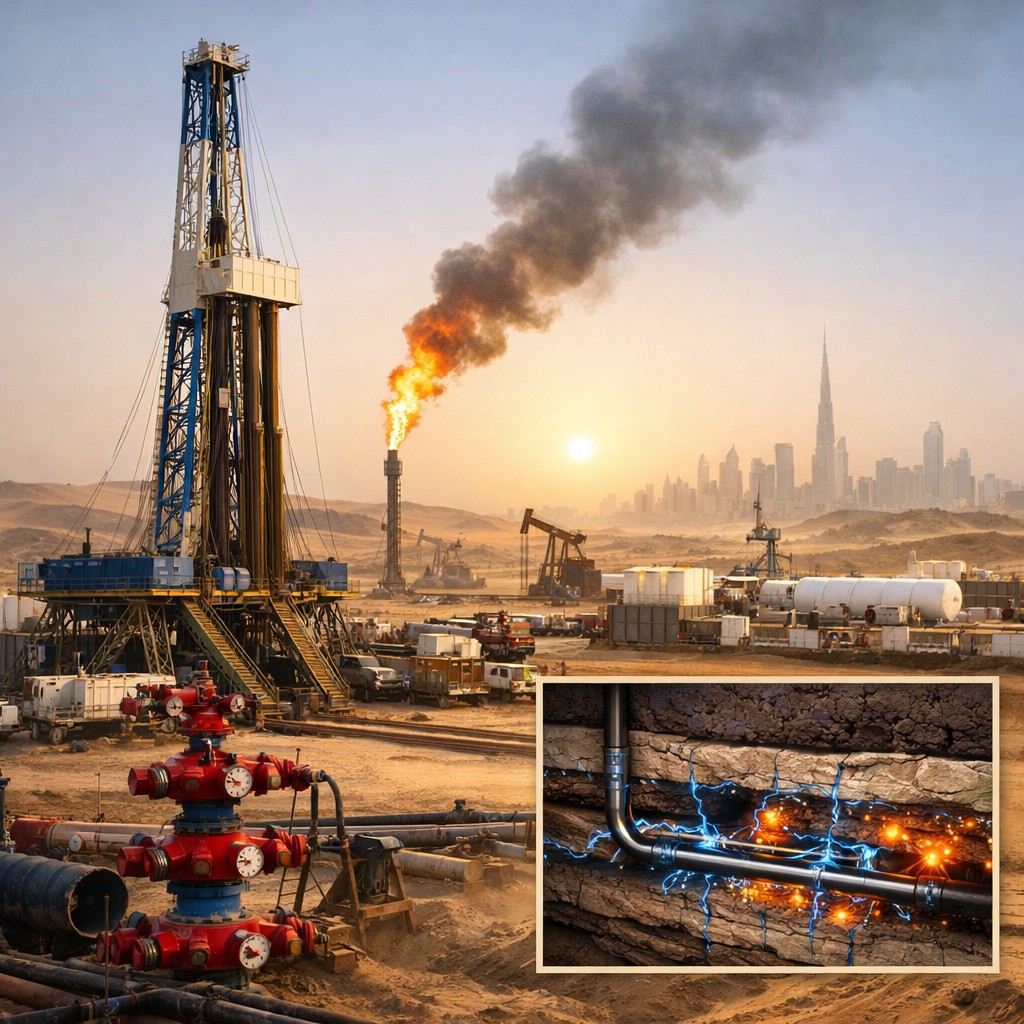
Adnoc is nearing commercial viability for shale oil and gas in the UAE. Here's what this milestone means for Gulf energy and why it matters now.
Abu Dhabi National Oil Company is approaching a major milestone, moving closer to making shale oil and gas commercially viable in the UAE. If successful, the move could reshape the country’s upstream energy portfolio and signal a new chapter for unconventional hydrocarbon production across the Gulf region.
What Is Adnoc’s Shale Push About?
Adnoc has been quietly advancing its unconventional energy program, targeting shale formations that have long been considered too costly or technically complex to develop at scale. The company is now reportedly close to proving commercial feasibility, according to the original report from Upstream Online.
Shale development requires hydraulic fracturing and horizontal drilling techniques that were pioneered in North America. Applying that playbook to Middle Eastern geology presents different challenges, from rock composition to reservoir pressure, making Adnoc’s progress all the more significant.
Why Does This Matter for the Gulf?
The Gulf has built its energy dominance on conventional crude, vast reservoirs that flow relatively easily and cheaply. Shale changes the equation entirely. It offers a new layer of reserves that can be tapped domestically, reducing reliance on any single source and extending the life of the region’s hydrocarbon base.
For the UAE specifically, commercial shale production would diversify Adnoc’s upstream portfolio at a time when the company is aggressively expanding capacity and chasing a higher crude output target. It also sends a signal to international partners and investors that the UAE is willing to invest in technically demanding energy frontiers.
How Does Shale Compare to Conventional Production?
| Factor | Conventional Oil | Shale Oil |
|---|---|---|
| Extraction Method | Vertical drilling | Horizontal drilling + fracking |
| Development Cost | Lower per barrel | Higher upfront investment |
| Production Ramp-Up | Slower, sustained flow | Fast initial output, quicker decline |
| Reserve Potential | Well mapped | Large, less explored in the Gulf |
Is the UAE Ready to Scale Unconventional Energy?
Adnoc has the capital, the technical partnerships, and the government backing to pursue unconventional projects at a pace few national oil companies in the world could match. The company has been investing heavily in digital oilfield technology and has forged alliances with international energy majors who bring shale expertise.
The key test remains cost. Shale is economically sensitive to oil price cycles. At current price levels, the incentive is there, but Adnoc will need to demonstrate that per-barrel costs can compete before any large-scale rollout makes financial sense.
What Comes Next?
Reaching commercial viability is not the same as flipping a switch to full production. Adnoc would still need to move through appraisal, development planning, and infrastructure buildout. But crossing the commercial threshold is the hardest part, and the company appears to be on the verge of doing exactly that.
For the broader Gulf energy sector, the implications are worth watching. If Adnoc proves the model works in Middle Eastern geology, other national oil companies in the region may accelerate their own unconventional programs.
Disclaimer: This article covers financial and energy sector developments. Readers should consult professional advisors before making investment decisions based on industry news.
Could Adnoc’s shale breakthrough push other Gulf nations to rethink their own unconventional energy strategies? Share your thoughts in the comments below.

Related Posts



Stay Informed With the Latest & Most Important News
Previous Post
Next Post





Advertisement

-
 01Sheikh Mohamed at G7: UAE Pledges Global Stability Role
 -
 02UAE Team Emirates Stays Close in UCI Rankings Thanks to Tuckwell
 -
 03UAE Stocks Rally as Iran Ceasefire Talks Lift Gulf Markets
 -
 04Gulf Investors Blocked by European Rules, Saudi PIF Warns
 -
 05UAE Tourism 2025: UK Lifts Warning as Hotels and Flights Boom
 -
 06Windshield Sunshade in UAE Heat: Does It Actually Work?
 -
 07Working on a Public Holiday in UAE: Know Your Rights